


Clear, 73°
Wind: mph,
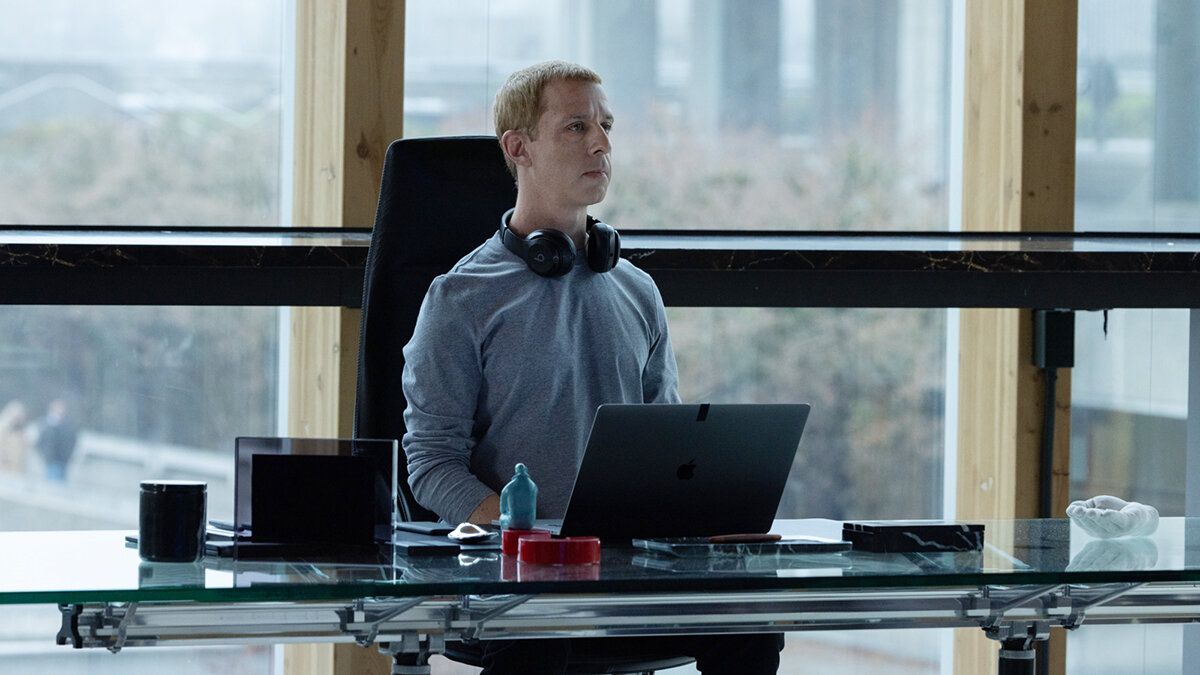
Since it debuted in 2010, countless voices across the internet have been clamoring for a sequel to David Fincher’s “The Social Network.” Lauded by critics and audiences alike, the movie captured a precise moment in time, retelling the story of Facebook’s founding at a time when its global domination felt all but inevitable. The final scene promised a future defined by Mark Zuckerberg, and regardless of whether the film has remained accurate over the last decade and a half, it secured a reputation as one of the defining movies of the 21st century.
So, when writer Aaron Sorkin first introduced the prospect of a follow-up back in 2019, fans were understandably excited. There had been so many developments to the story in the years that had followed, and with much of the old cast and crew hinting at a return, it seemed like a surefire way to score another generation-defining hit.
“The Social Reckoning” is not that movie.
Zuckerberg may still be a billionaire, and Facebook may still have a tight grasp over a portion of the population, but the biggest mistake “The Social Reckoning” makes is thinking that Facebook is still a contender for the most dangerous force in the world. Its influence on the rise of the alt-right and the instigation of the January 6, 2021, riot, which features prominently in the movie’s most dramatic sequence, can’t be denied. Still, five years on from the events it depicts, the movie gives Facebook far too much credit in a world that largely left it behind for the AI boom.
“The Social Reckoning” isn’t an inherently bad film. While it may lack some of David Fincher’s finesse, it’s still got the same slick, snappy dialogue that made the first film so iconic, and Jeremy Strong’s performance as Mark Zuckerberg, while occasionally cartoonish, is endlessly compelling. Jeremy Allen White and Mikey Madison both bring their own fresh talents to their respective roles, and unlike Strong, don’t feel limited by any preconceived impressions the audience may have. Sorkin’s direction, while nowhere near as polished as his writing, is serviceable for a movie set largely in different trial chambers and breakout rooms. It’s not as pretty or as put together as “The Social Network,” but it gets the job done.
Ultimately, the film struggles when directly compared to its predecessor, and it does itself no favors by regularly calling back to it. Strong may look and act a lot more like the real-life Zuckerberg, but he lacks the energy and power of Jesse Eisenberg’s confident sociopath, making the whole thing feel like more of a retread of reality than a unique take on the story.
Making a film about Facebook in 2010 was a bold move, whereas this feels like a safe political thriller that exists only because people asked for it. It carries itself like it intends to be a crucial text of the decade but has next to nothing to say about the world it led to beyond the Capitol riot, and how the rise of AI made a lot of Facebook’s cultural cache irrelevant. Despite being set only five years ago, it feels a decade too late to be relevant.
The idea that a film wasn't needed or asked for is a poor way to critique art, but given this is a film that was very explicitly asked for, and only came to fruition due to the legacy of its predecessor, makes it feel like an unfortunate waste of talent.
At best, it’s destined for obscurity, seeing out the echoes of its relevancy as the answer to a quiz question about forgotten sequels. At worst, it’s a lesson to be learned about when the boat has been missed. In a few weeks’ time, Luca Guadagnino’s “Artificial” releases. Based on the rise and fall of Sam Altman and his time as the head of OpenAI, it feels like a far more appropriate successor to Fincher’s original film and, based on early festival responses, will undoubtedly eclipse “The Social Reckoning” as the defining corporate biopic of 2026.


Comments
No comments on this item Please log in to comment by clicking here